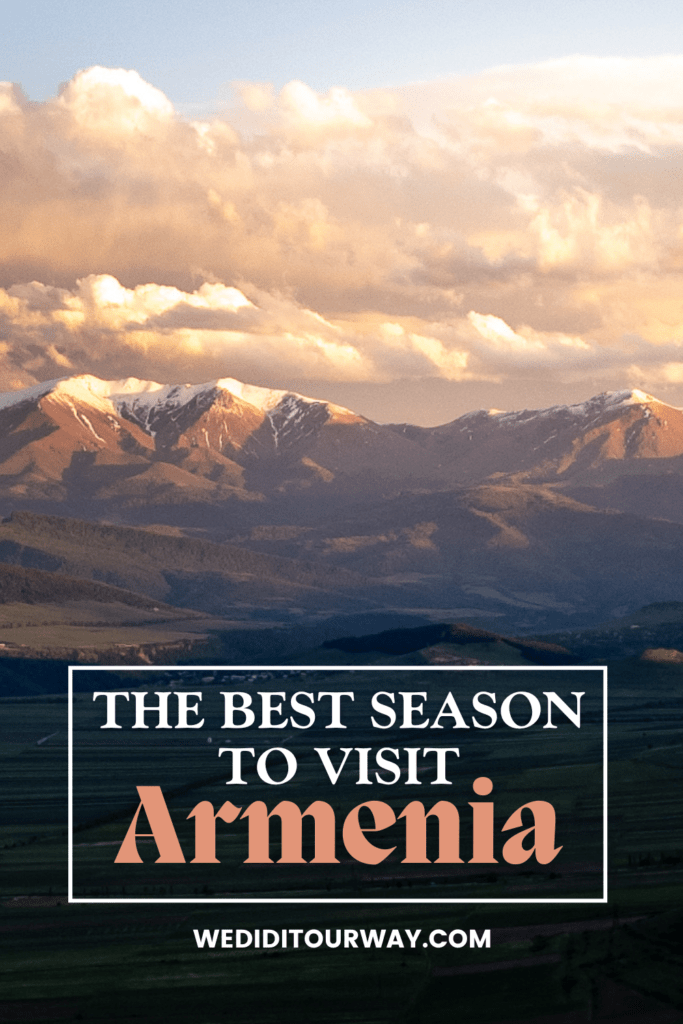
The Best Time to Visit Armenia – Your guide to the Seasons & What to Pack
In this article, we’ll cover the best time to visit Armenia. We’ll look at the weather in Armenia in each season & month, what festivals you can experience, and what the highlights are for that time of year. We’ll also share some packing tips for when you’re planning on going.
Wondering when the best time is to visit Armenia. Well, the truth is, every season has something unique to offer, and it all depends on what you want to experience.
We spent a year living in Armenia, and we’ve been there over 8 times, so we’ve seen the seasons come and go. We can honestly say this is one of those countries that changes completely throughout the year.
Yerevan in the summer is lively. It’s hot and very social. There are people everywhere. Think packed terraces and cafés, late nights and fruit stands overflowing with apricots, cherries and watermelon.
Fall is our favorite time of year! It brings cooler weather, golden landscapes and you get to enjoy Armenia’s famous pomegranates. The crowds have left, which means it’s a great time to explore the country.
Spring is green and lush, fresh and full of flowers, though it can get rainy. While winter is quiet, snowy in the mountains, and much more local. But the Christmas & New Year celebrations can’t be beat!
Keep reading as we break down the weather in Armenia, what each season feels like, what to pack, and the best festivals, foods and travel tips to keep in mind.
When is the best time to visit Armenia?
Looking for a quick answer? For us, the best time to visit Armenia is usually from mid-September to October, or from April to June.
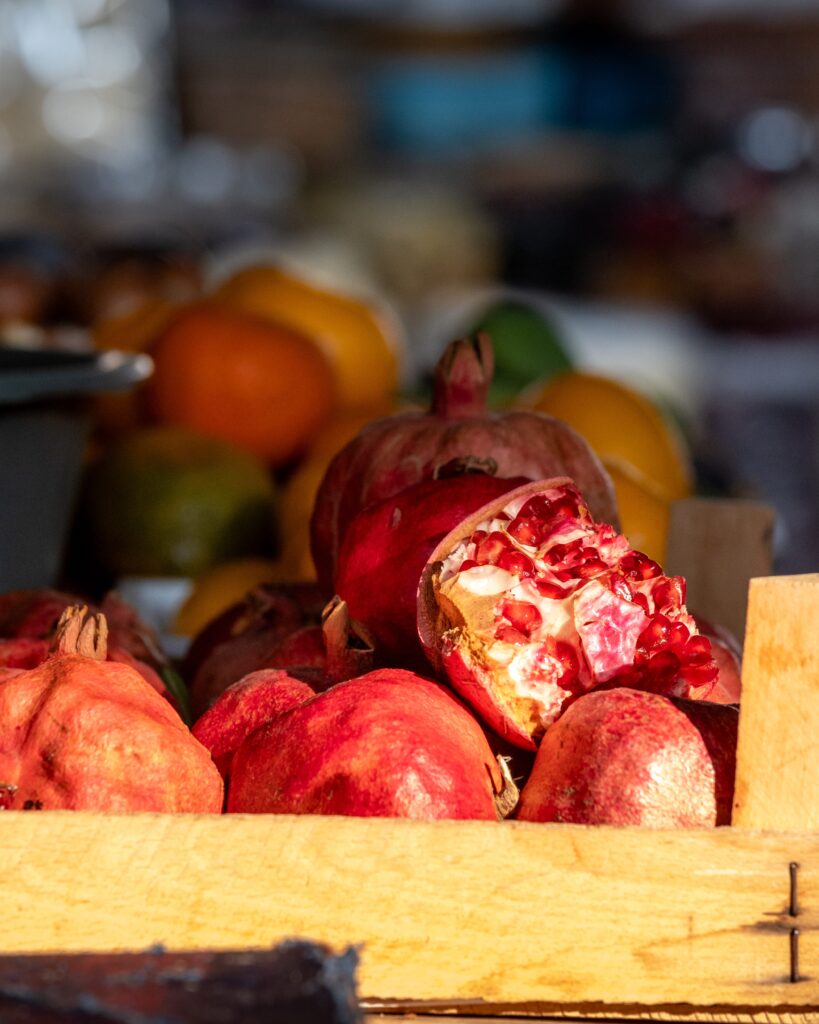
Fall is our favorite because the weather is comfortable, Yerevan feels calmer, the countryside starts changing colors, and it’s peak pomegranate season (our absolute fave Armenian fruit, tho apricots come in a close second!)
Spring is another beautiful time to visit Armenia. The landscapes are lush and green. You have blooming flowers everywhere. Temperatures are mild and comfortable. Some of the country’s most meaningful cultural events are taking place.
Most people will say that Summer is the best. In fact, it’s the most popular season, with long, (very) hot days and plenty of events happening all over! But it can also be crowded and a lot more expensive, especially in Yerevan.
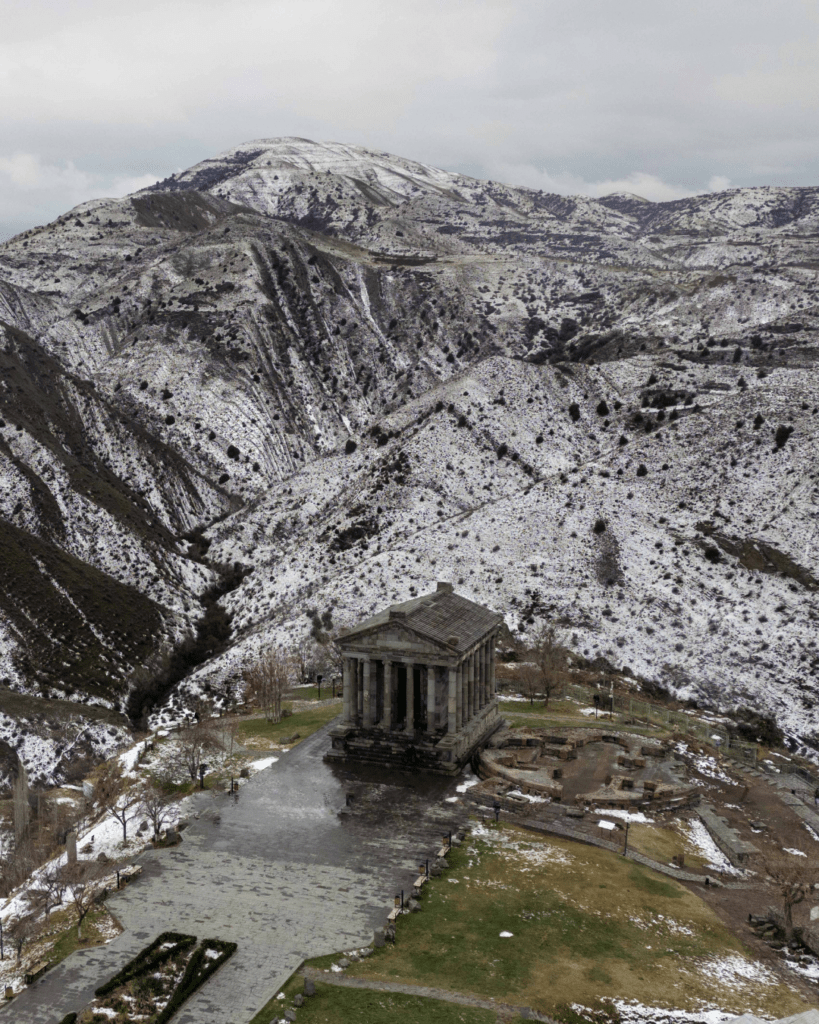
If you’re looking for more of a local vibe, winter is quieter and can be magical. Although Yerevan doesn’t get much snow, the countryside is a winter wonderland (head to Tsaghkadzor for the ski hills). Be prepared for colder weather outside the capital.
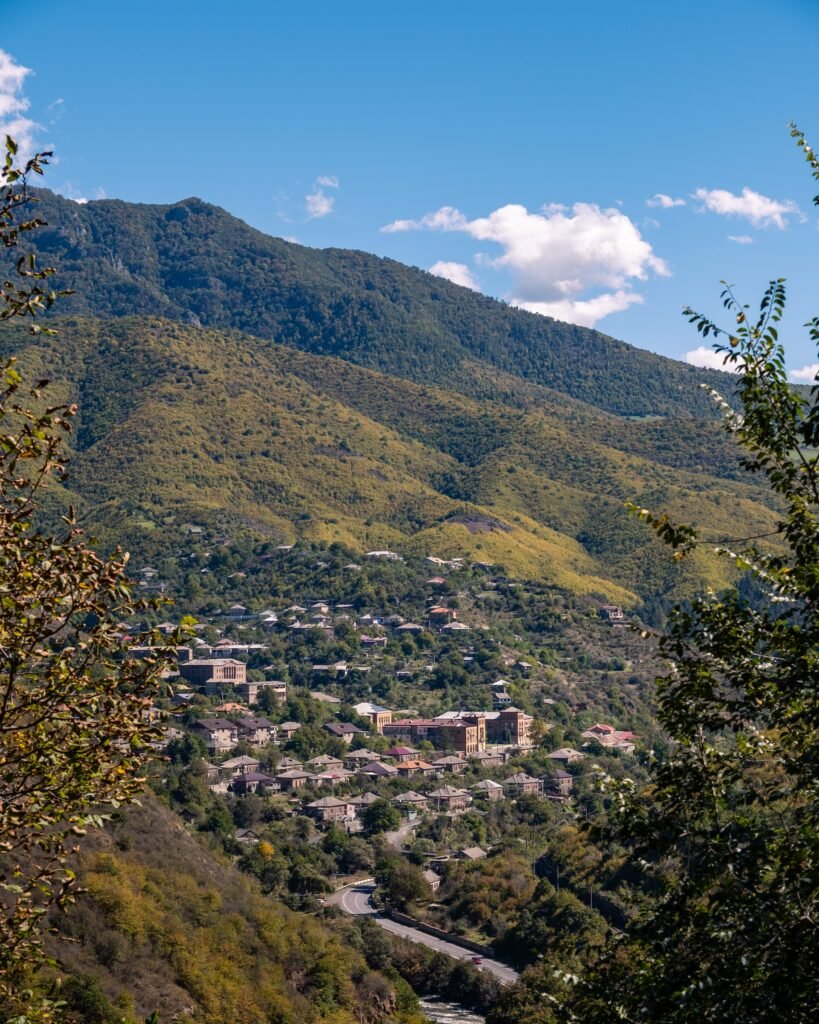
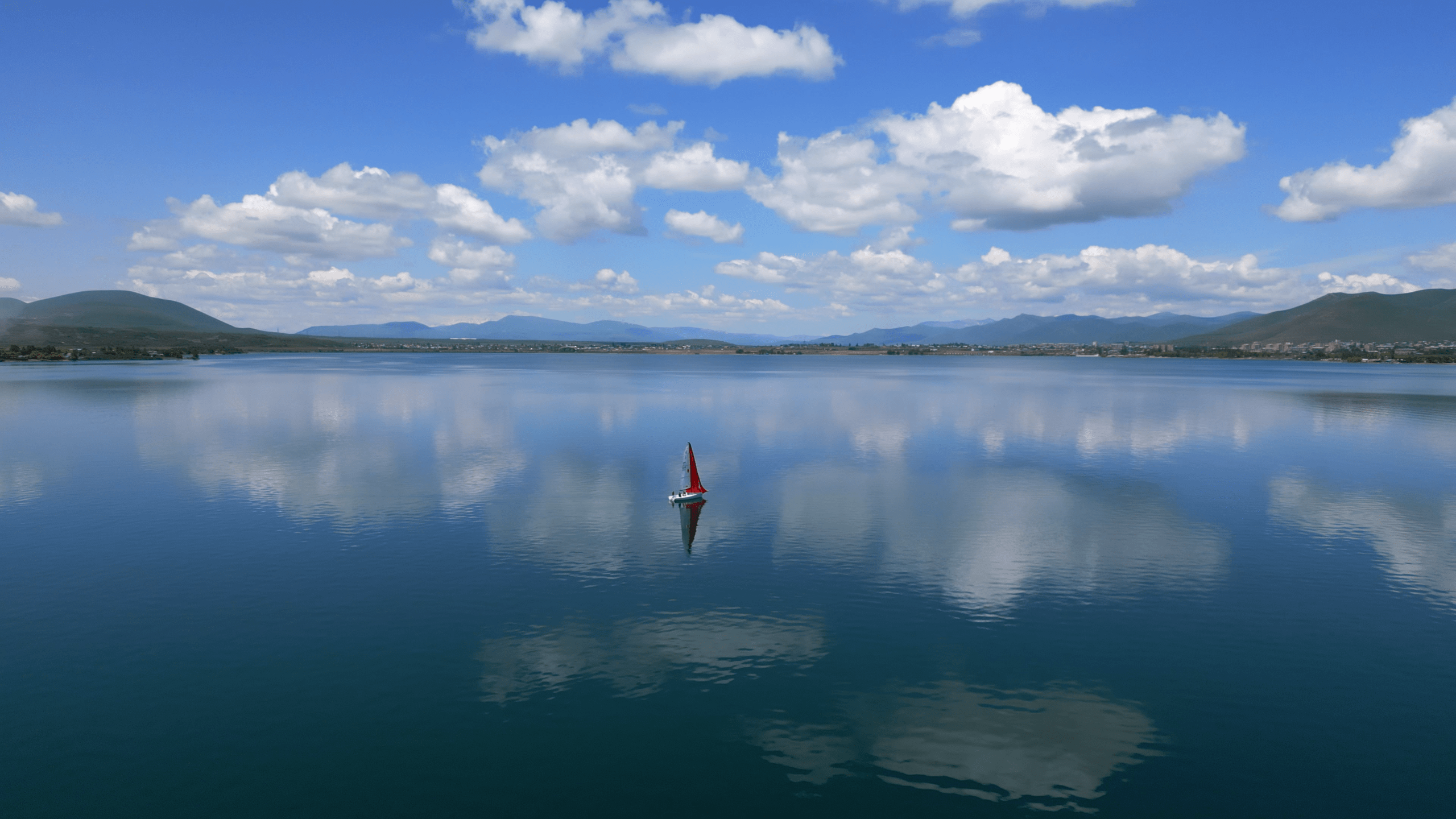
One important thing to know: the weather in Armenia changes a lot by region. Yerevan is usually warmer than the rest of the country, especially compared to the mountains and higher-altitude areas (like Lake Sevan).
Now, let’s break down each season and give you all the details you need to better plan your trip.

Fall in Armenia: Mid-September to November
If you ask us, fall is the best season to visit Armenia. (Have we mentioned this already?
By mid-September, the intense summer heat starts to fade, making it much more comfortable to walk around Yerevan. It’s also a great season to be outside. Think epic hikes, exploring villages, and spending as much time outside as possible. Best of all, the crowds have left, so you get to do this all with no one around!
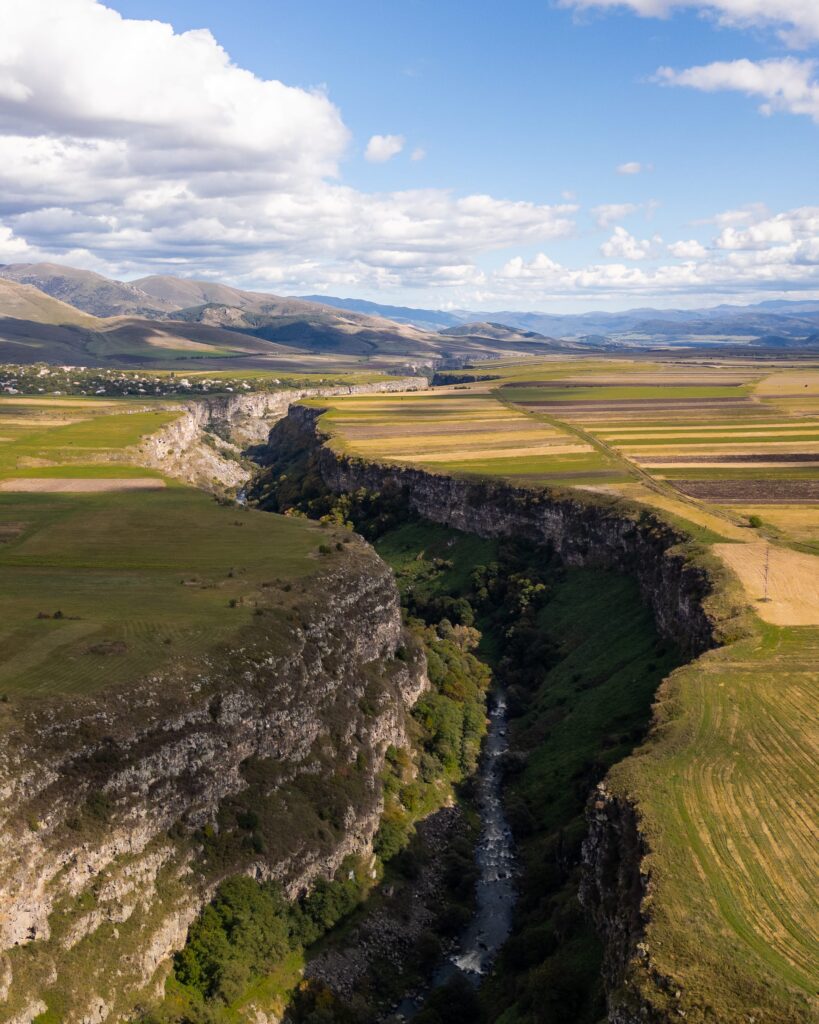
This is also one of the most beautiful times to explore the countryside. In places like Tavush, Lori, Syunik and around Lake Sevan, you may start to see the leaves changing colours. The foliage is not as colourful as in Quebec, but it’s still quite beautiful! The mountain roads, forests and monastery views are really stunning at this time of year.
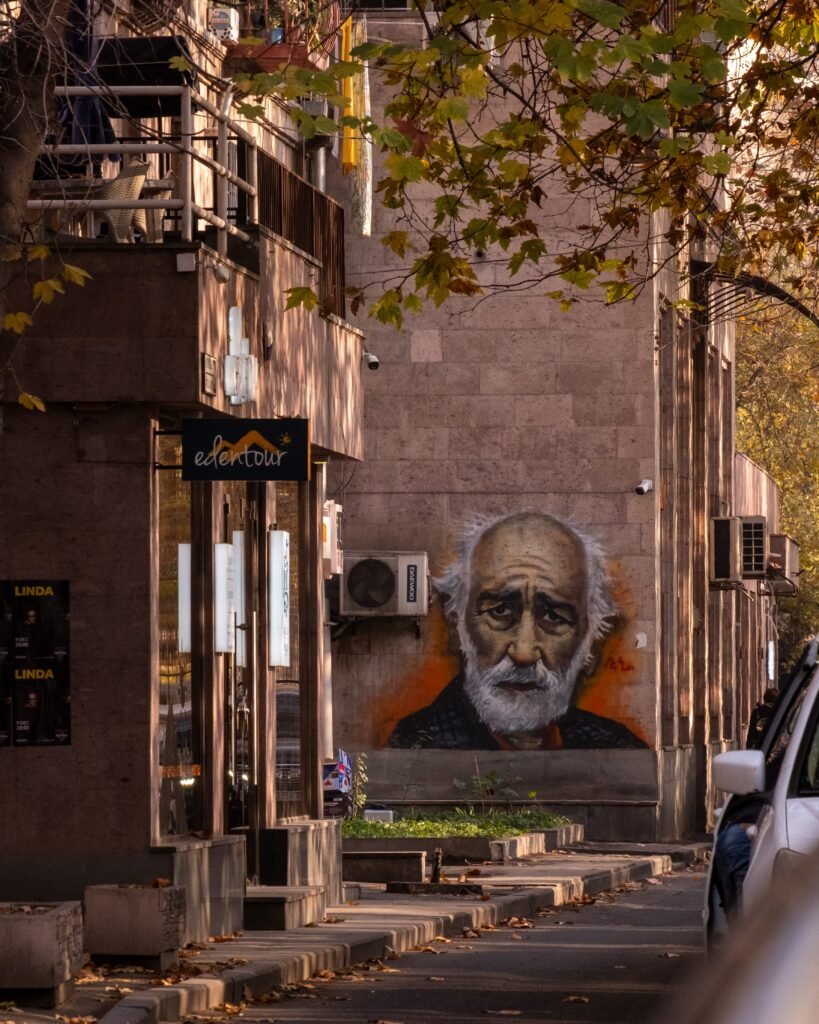
Fall is also harvest season, which is another reason we love it so much! You’ll find grapes, figs, walnuts, apples and pomegranates everywhere. Pomegranate season is especially worth planning around if you’re a food lover. You’ll see them at markets, roadside stands and in fresh juices around the country. And if you can, we recommend heading down to Meghri to get the freshest pomegranates (right from the trees)
The fall is also a great time to discover Armenia’s wine culture. Armenia has one of the oldest winemaking traditions in the world, and harvest season is a beautiful time to explore wine regions like Areni. Our favourite place to enjoy wine is at the Trinity Canyon Winery or Momik Wine Cube.
Weather in Armenia in September
The weather in Armenia in September is usually warm and pleasant, especially in Yerevan. Early September still feels like summer, and you can still find some tourists around. But by the middle and end of the month, temperatures are more comfortable for sightseeing and road trips.
Weather in Armenia in October
The weather in Armenia in October is one of the best for travel. Days are usually mild, evenings are cooler, and the countryside is especially beautiful. If you’re looking for the absolute best time to go to Armenia, this is it for us!
Weather in Armenia in November
In November, the weather in Armenia is cooler and more unpredictable. You can still travel around easily, but you’ll want warmer layers, especially if you’re heading to the mountains or northern regions. Yerevan is always milder, but the mountain & lake regions become much cooler.
What to pack for Armenia in the fall
The best piece of advice we can give you for exploring Armenia in the fall is to bring layers.
Yerevan will usually be warmer during the day, but evenings can get cooler. A jean jacket or a light puffy jacket should do the trick. Think warmer the later on you visit in the fall, especially if you’ll be spending more time in the countryside.
Pack pants, T-shirts, a sweater or fleece, a light jacket, and comfortable walking shoes. If you’re visiting closer to November, bring warmer clothing and a rain jacket.
Spring in Armenia: April to June
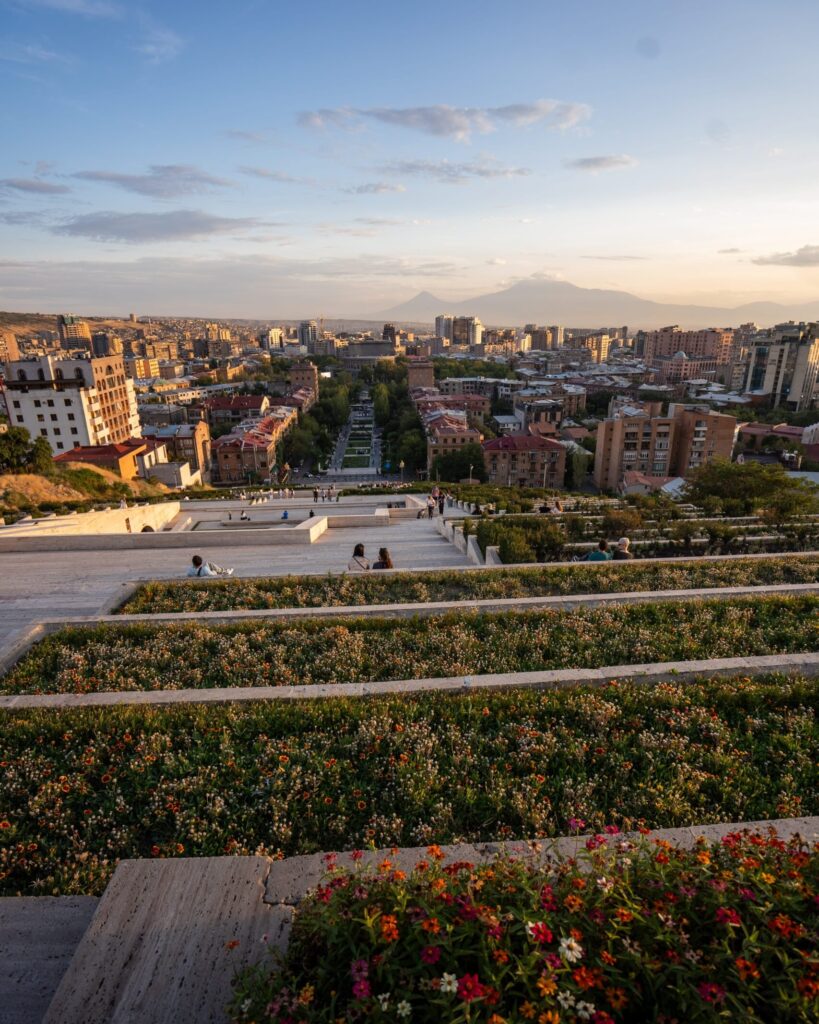
Spring is our second-favorite time to visit Armenia. After the colder winter months, the country starts to wake up. The landscapes become greener, flowers bloom across the countryside, and the temperatures are perfect for sightseeing, hiking and day trips. If you time your stay perfectly, around the end of April to mid-May, you can see the trees blooming all over the country. A beautiful sight!
Spring is also a great time to experience Armenia’s cultural calendar. April 24 is the commemoration of the Armenian Genocide, and if you’re in Yerevan during this time, it’s a powerful and important moment to witness respectfully. Thousands of people walk to the Tsitsernakaberd Memorial to pay their respects. The events start on the night of April 23 in Republic Square and continue all day on April 24.
Even if you’re not there for April 23-24, we recommend visiting Tsitsernakaberd during your time in Yerevan. It’s an important way to understand the history of the country and its people.
After these somber events, everything starts to brighten up, starting with International Dance Day on April 29. You’ll surely find a huge dancing event taking place during the day, and a traditional dance class at night.
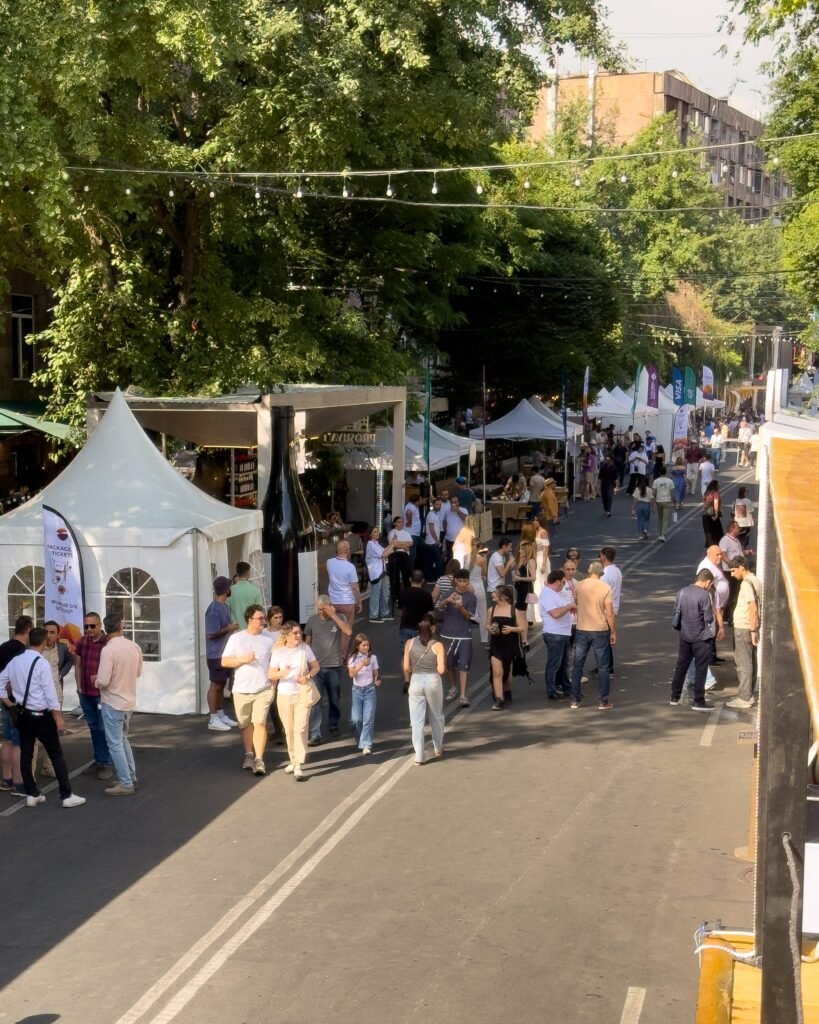
Yerevan Wine Days, one of the most fun events in the city, usually takes place in early June. Expect lots of wine, food, music, and a lively street festival atmosphere.
By the end of June, you also start getting some of Armenia’s best fruit, especially apricots. Armenians are very proud of their apricots, and once you try them in season, you’ll understand why. The best place to get these is on the side of the road, on your day trips around Yerevan.
Weather in Armenia in March
The weather in Armenia in March can still feel like winter in many places. Yerevan may start to warm up slightly, but the mountains can still be snowy or cold. It’s a transitional month, so pack for mixed conditions.
Weather in Armenia in April
In April, the weather in Armenia is mild, but it changes quickly. You may get beautiful sunny days, cooler evenings, and some rain. This is a great month for spring flowers and cultural travel.
Weather in Armenia in May
May is one of the best months for exploring. Days are usually warmer, the countryside is green, and it’s a lovely time for road trips, hiking and visiting monasteries before the summer heat arrives. If you go on hikes, stay aware since it’s also snake-mating season and they tend to get aggressive.
Weather in Armenia in June
June in Armenia is warm and sunny, especially in Yerevan. This is when you’ll be looking for shade and taking advantage of the cafés and their mist machines.
By the end of the month, it starts to feel like a proper summer. It’s still generally more comfortable than July and August. In the countryside, it’s a great time to visit and explore.
What to pack for Armenia in spring
In the spring, pack for layers and some rain. Bring comfortable pants, T-shirts, a sweater or light jacket, a rain jacket or umbrella, and good walking shoes. If you’ll be hiking or visiting higher-altitude regions, bring something warmer for the evenings.
The later you come in the spring, the more summer weather you can expect.
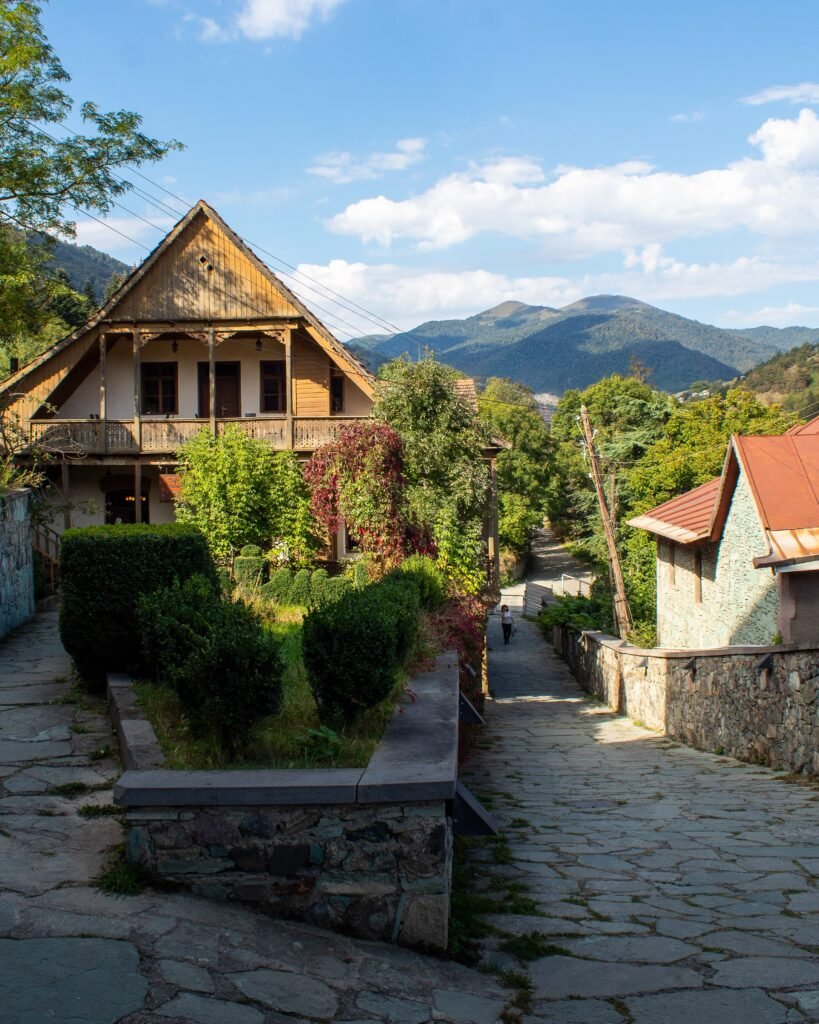
Summer in Armenia: July to Early September
Summer is the most popular time to visit Armenia. And we totally get why!
The days are longer, the weather is sunny, and there’s always something happening, especially in Yerevan.
This is when the capital feels most alive. Restaurants and cafés are full, fountains are running, Republic Square is busy in the evenings, and the city has a very social atmosphere. If you like warm nights, outdoor dining, lots of energy, and the opportunity to meet new people, summer can be a great time to visit.
It’s also the best season for fruit. Apricots, cherries, strawberries, peaches, plums, figs and watermelon are all part of the summer experience. Visiting the GUM Market or stopping at roadside fruit stands during this season is a must.
That said, our main downside to the summer in Armenia is that it can be very hot, especially in Yerevan. July and August can be intense – suffocating heat when you’re in the sun, and sightseeing in the middle of the day can feel exhausting. Don’t even get us started on nearby hikes…
If you’re visiting during this time, start your days early, take breaks during the hottest hours, and save your evenings for walking around the city.
Summer is also when prices can go up, especially for accommodations in Yerevan and popular destinations like Lake Sevan & Dilijan. It’s worth booking ahead if you’re visiting during peak season.
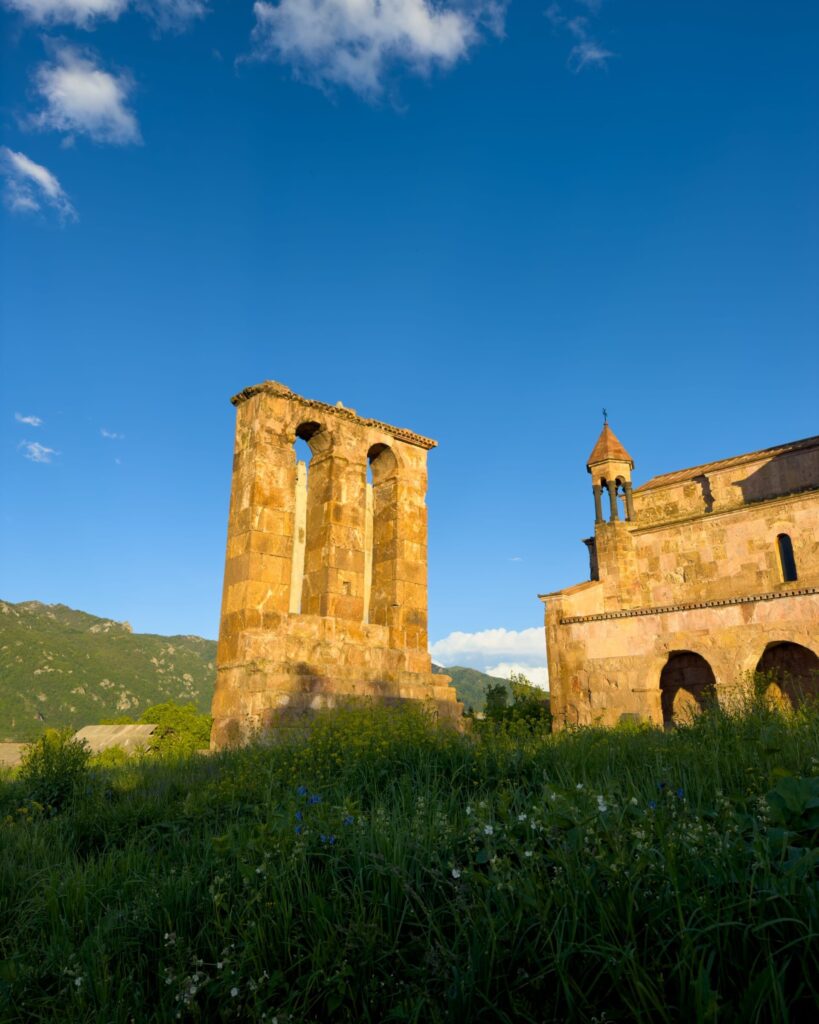
Weather in Armenia in July
Armenia in July is hot, dry and sunny, especially in Yerevan. Expect strong sun and high temperatures. Mountain regions and Lake Sevan can feel cooler and are great escapes from the city heat. The higher up you go in the mountains, the weather will feel more temperate.
Weather in Armenia in August
The weather in August is still very hot, particularly in Yerevan. This is a good month to balance city time with cooler destinations like Tavush, Lori, Lake Sevan or even Meghri.
What to pack for Armenia in summer
Bring light, breathable clothing – darker colors might help hide sweat marks (it’s that hot!). Sunglasses, sunscreen, a hat and comfortable sandals or walking shoes.
If you get hot easily, pack extra tops so you can change between activities. You may also want a light layer for cooler evenings in the mountains or around Lake Sevan.
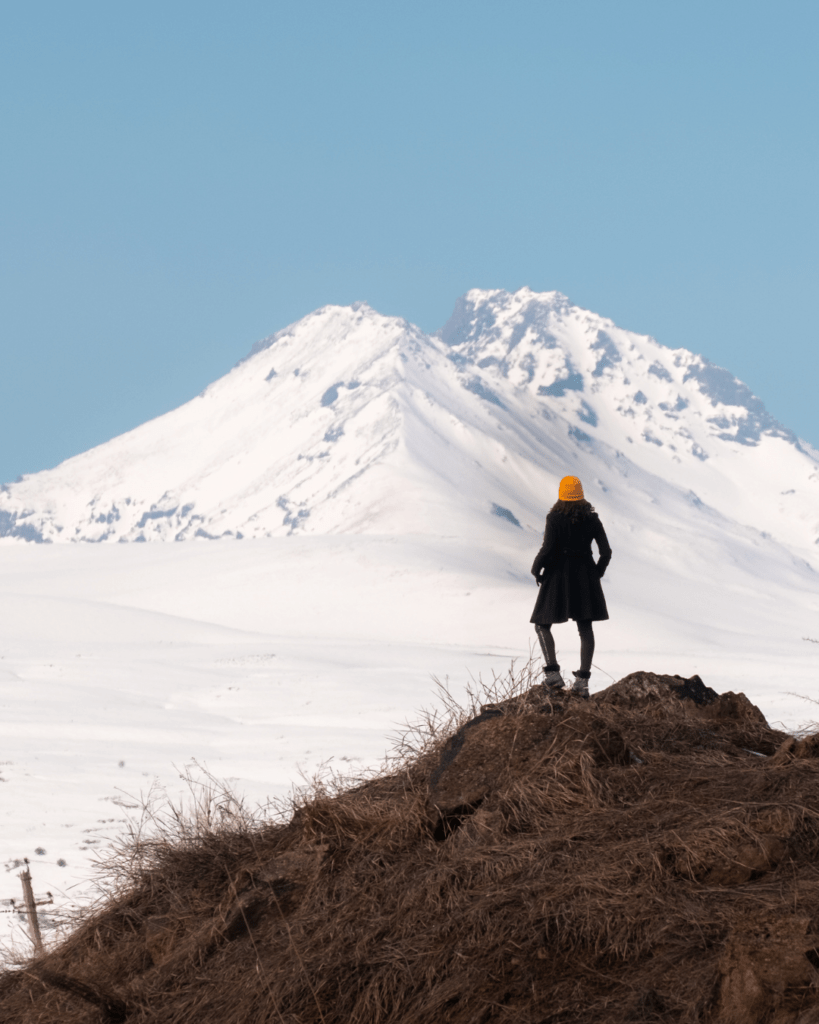
Winter in Armenia: December to February
Finally, the wintertime in Armenia. This is when it gets quiet, local and completely different from the rest of the year. This is when you’ll find the fewest tourists, which can make some places feel more peaceful and intimate.
Yerevan is usually much milder than the rest of the country, but it is constantly grey, rainy or chilly. Outside the capital, especially in the mountains and higher-altitude regions, you can expect colder temperatures and snow.
If you want to see snow-covered monasteries, quiet villages and dramatic winter landscapes, this can be a beautiful time to visit. Tsaghkadzor is a popular place for hitting the slopes. The mountain regions can feel especially special.
Winter is also the season for khash, one of Armenia’s most traditional cold-weather dishes. It’s a rich, slow-cooked soup made from cow’s hoof. Sounds strange, but it’s a whole event!
This meal is usually eaten in the morning with garlic, lavash and, very often, copious amounts of vodka. It’s not for everyone, but it’s a unique cultural experience. We highly recommend you give it a try!
The biggest thing to keep in mind is that winter travel requires even more flexibility. Some roads may be snowy or icy, and certain hikes or remote areas may not be accessible. If this is your first trip to Armenia, winter can still be amazing, but we’d recommend it more for travelers who don’t mind colder weather and slower travel days. You’ll need to balance what you want to do with what you can actually do!
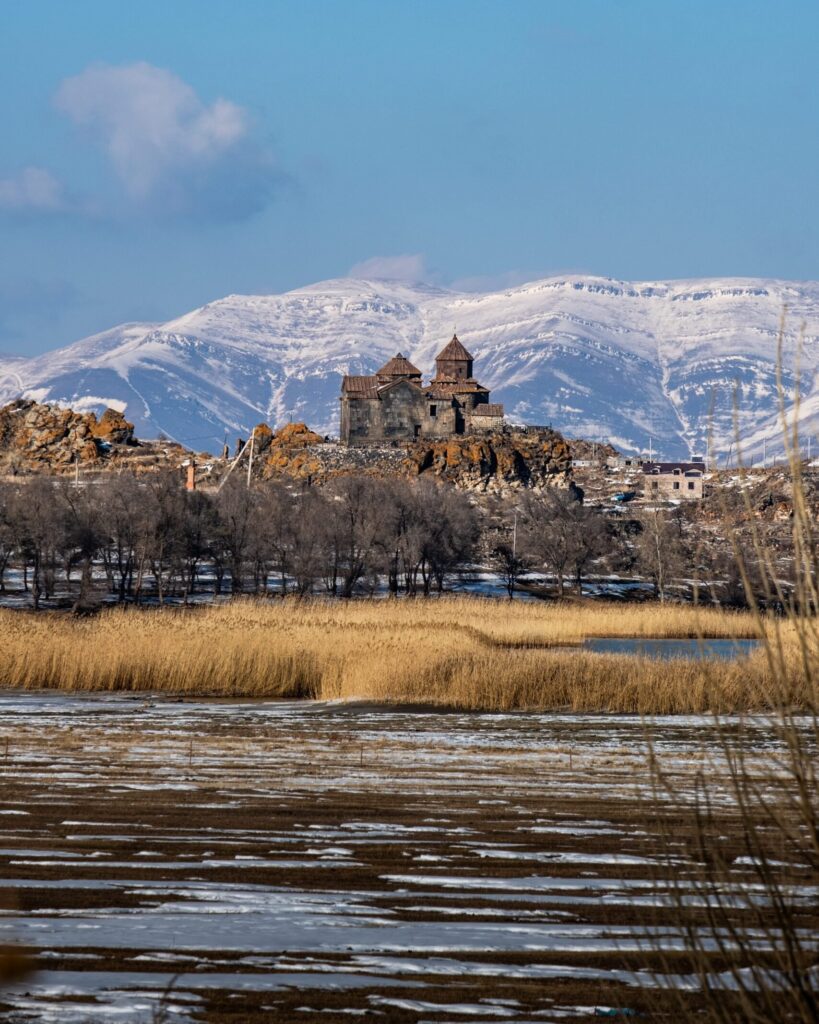
Weather in Armenia in December
Armenia in December is cold, especially outside Yerevan. Snow is possible in many regions, while Yerevan may be colder, rainy or occasionally snowy. But don’t expect the snow to stick around. It melts after a few days.
Weather in Armenia in January
January is usually the coldest month of the year. Expect winter conditions, especially in the mountains. This is the time to pack proper warm clothing and winter shoes. Pack boots if you plan on spending a lot of time outside of Yerevan, where it can get snowy.
Weather in Armenia in February
February is still cold in Armenia, though the days slowly start getting longer. Snow is still possible in many parts of the country. But Yerevan starts to warm by the end of the month
What to pack for Armenia in winter
Pack warm clothes, especially if you plan to leave Yerevan. Bring a warm coat, sweaters, thermal layers, a hat, gloves, scarf and proper winter shoes or boots. From December to February, you’ll want footwear that can handle snow or icy conditions in certain regions.
Month-by-month guide to the weather in Armenia
Here’s a quick overview to help you decide when to plan your trip.
- January: Cold, snowy in many regions, quiet and best for winter landscapes.
- February: Still cold, with some snow possible outside Yerevan.
- March: Transitional, with winter lingering in the mountains and milder days in Yerevan.
- April: The start of spring, with flowers, mild days and some rain.
- May: Green, comfortable and one of the best months for sightseeing.
- June: Warm, sunny and great for road trips before peak summer heat & tourists.
- July: Hot and dry, especially in Yerevan.
- August: Very hot in the capital, but good for the mountains and Lake Sevan.
- September: Warm early in the month, then more comfortable by mid-to-late September.
- October: Mild, colourful and our top choice for visiting Armenia.
- November: Cooler, quieter and more unpredictable. The gray weather starts to creep in
- December: Cold, festive and snowy in many parts of the country.
So, when should you visit Armenia?
For most first-time travelers, the best time to visit Armenia is anytime between May and October. Those 3 seasons are really amazing to discover the country, all with something unique to offer.
Our top choices are the fall, from mid-September to end of October, or the spring, from April to June. These seasons give you the best balance of comfortable weather, beautiful landscapes, rich cultural events and fewer crowds.
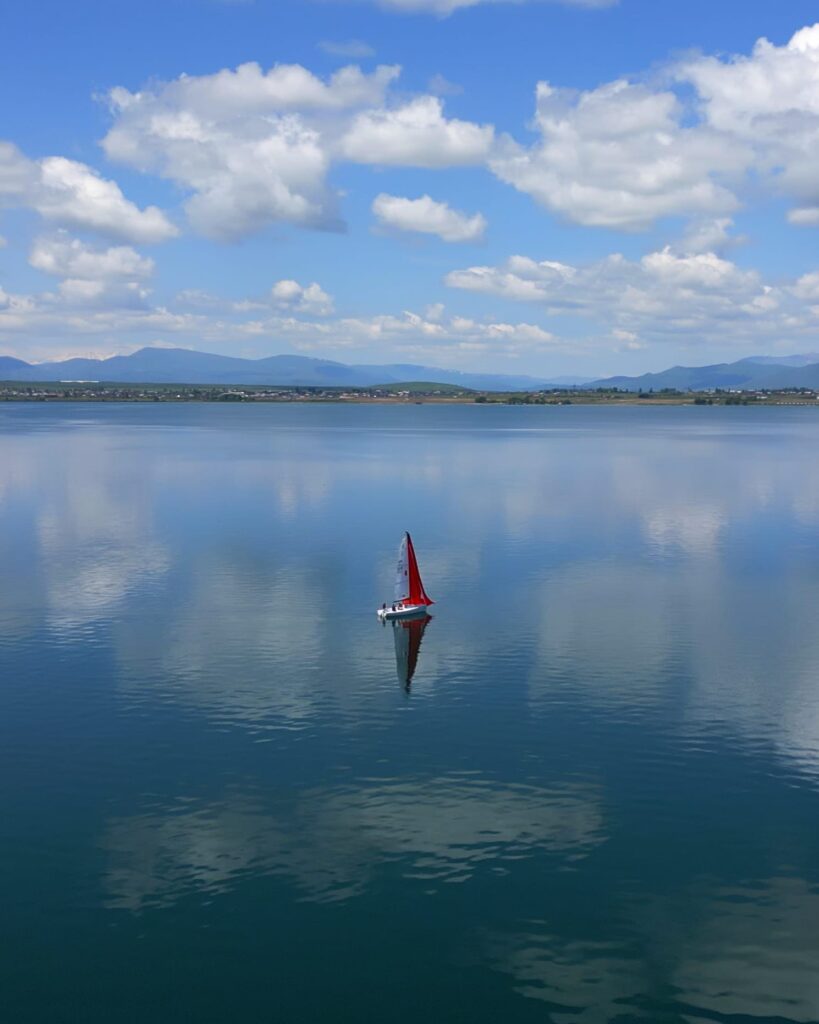
If we had to choose one, we’d choose fall. It’s the season that feels the most special to us: quieter streets, golden landscapes, harvest season, pomegranates, and perfect road trip weather.
But Armenia is not a one-season destination. As we said, each season brings something new and unique. The best time really depends on the kind of trip you want.
When are you planning on visiting Armenia?
We put a lot of time and effort into the content we create. Please like, comment and share, every action on your part helps us out tremendously and is very much appreciated.
You can also help us by pinning it for others to find.